
The content discusses how small, unnoticed expenses accumulate to cause significant financial drain over time. It emphasizes that while people focus on major costs like loans and bills, tiny fees from subscriptions, banking, and convenience can collectively amount to substantial losses. Increasing awareness of these expenses is crucial for financial control.
Tag Archives: Personal Finance
Buy Now, Pay Later…Forever?

The fourth week discusses the psychological impact of “Buy Now, Pay Later” (BNPL) payment options, which create a disconnect between purchasing joy and payment pain. While BNPL appeals to many, especially younger consumers, it can lead to financial confusion and unplanned spending. Awareness and intentionality are key to avoiding this financial trap.
Delivery Has Become a Luxury

The article discusses the hidden costs of convenience, particularly focusing on the expenses associated with food delivery services. It highlights how small fees and menu markups significantly increase the cost of meals, turning occasional treats into regular habits that can harm finances. The piece encourages mindfulness around choosing convenience versus genuine rest.
Subscription Nation

The article discusses the hidden costs of subscription services, which have replaced ownership in everyday life. Many people underestimate their recurring expenses, which can quickly accumulate. By raising awareness of these “invisible” subscriptions and practicing intentional spending, individuals can regain control of their finances and avoid unnecessary financial stress.
FEES!!! When Did Paying Become So Expensive?
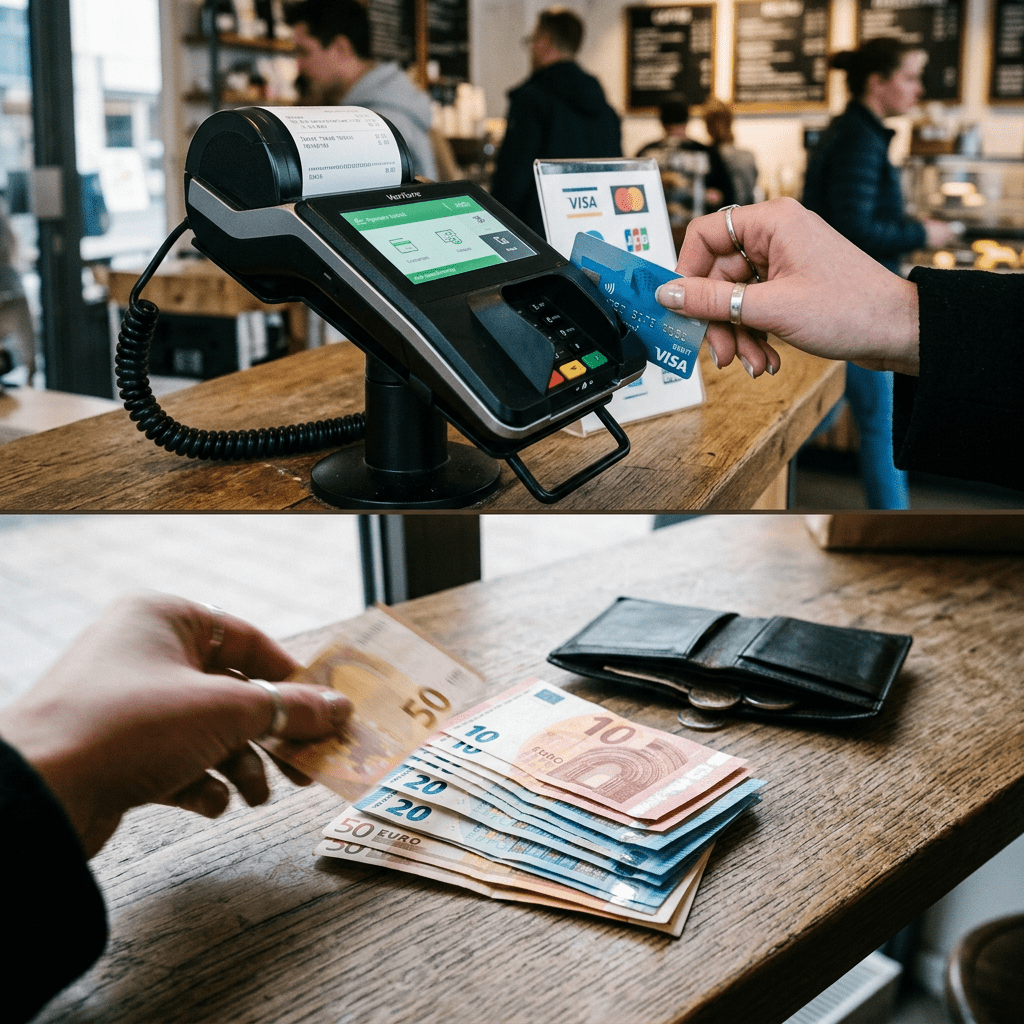
The post discusses the prevalent issue of convenience fees that quietly diminish consumer wealth. It explains how businesses increasingly pass additional costs to customers through various fees, leading to “fee fatigue.” Awareness of these charges can help consumers manage spending better.
Wealth Isn’t Built in One Big Moment

Financial security is not achieved through one-time wins, but rather through consistent, small decisions over time. Compound habits, like careful spending and regular savings, play a crucial role in building wealth. Progress is more important than perfection, and small acts of discipline lead to financial stability and long-term success.
Luck Was Never the Plan

The content emphasizes that financial stability is achieved through intentional stewardship rather than luck. It explores the myths surrounding wealth and highlights the importance of discipline in budgeting, debt management, and investing. Ultimately, it advocates for active responsibility and wise planning, reinforcing that true success derives from consistent, thoughtful choices.
Wealth Is Not Won — It Is Built

Investing is about consistency and discipline rather than luck or timing. Many delay investing due to uncertainty or the belief that it requires large amounts of money. Small, regular contributions have a compounding effect over time. Emphasizing preparation, patience, and wise decision-making leads to sustainable wealth without relying on chance.
Debt Freedom Is Not Lucky — It Is Planned

Achieving debt freedom is a deliberate process requiring a clear strategy, a realistic budget, and emotional resilience. It hinges on consistent actions rather than luck. The journey involves making disciplined decisions over time, utilizing methods like Debt Snowball or Debt Avalanche. True financial freedom demands personal responsibility and commitment, not idle hope.
Emergencies Are not Bad Luck — They Are Inevitable

Emergencies often feel like bad luck, but they are typically predictable inconveniences we can prepare for. The key difference between being broke and unprepared lies in planning for inevitable costs. Establishing an emergency fund promotes stability, allowing a proactive response rather than panic. Start small and prepare wisely for life’s unpredictability.

